

 Facebook
 X
X
 Pinterest
 Copy Link
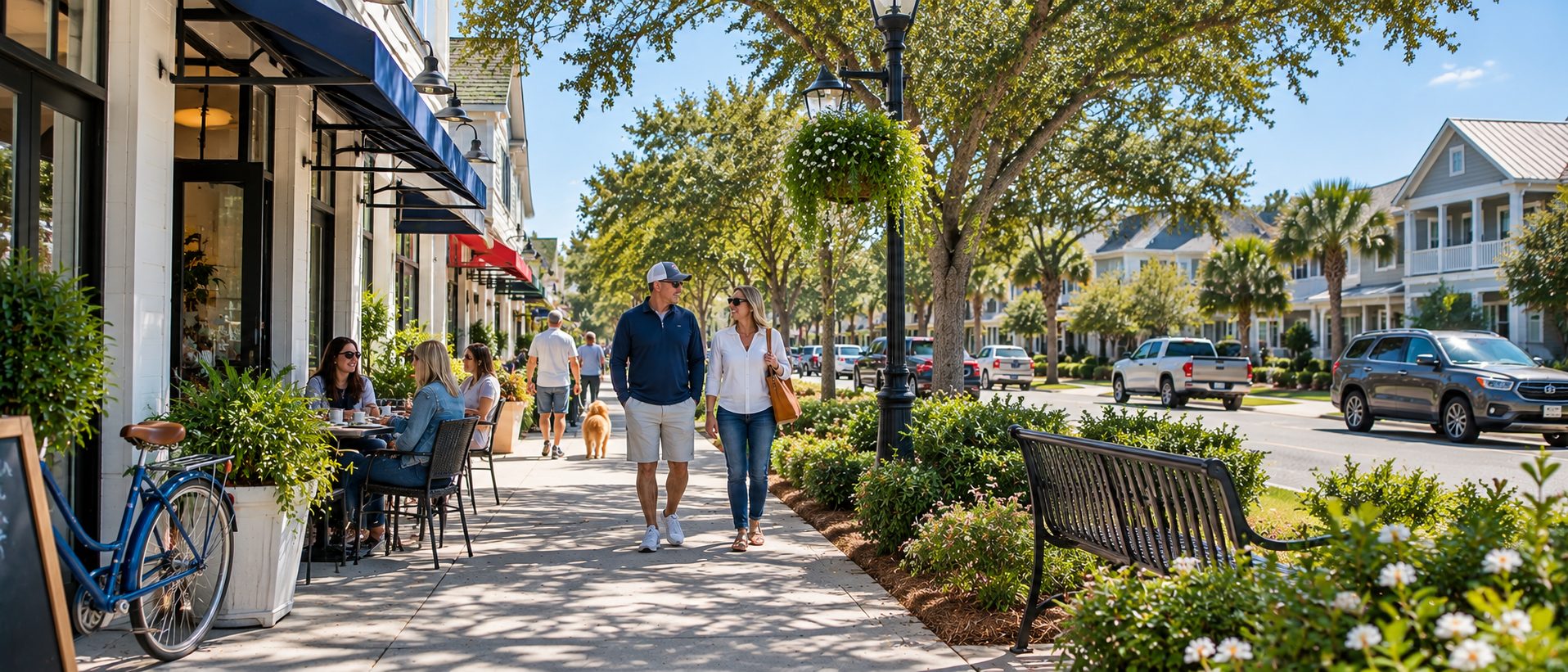
When you find a house you really like, it’s easy to focus all your attention on the property itself.
You start picturing where the furniture will go, whether the backyard works for your family, and what you might change after moving in. Meanwhile, one of the most important parts of the decision is sitting right outside the front door.
The surrounding area.
A showing gives you a good look at a house, but it only gives you a snapshot of the neighborhood. If you’re seriously considering a property, I always recommend spending some time getting to know the area before making your final decision.
You don’t need to spend weeks researching every street. A few intentional visits and some basic homework can tell you quite a bit about what everyday life might actually look like there.
I recently wrote about whether a neighborhood actually fits your life. Once you’ve thought through what matters to you, there’s another step I recommend:
Go experience it.
A Showing Only Tells You So Much
Most home showings happen during a fairly small window of time. You might spend 30 minutes or an hour at a property before moving on to the next one.
During that visit, you’re probably focused on the house.
You’re checking the bedrooms, looking at storage, opening cabinets, walking through the backyard, and trying to remember everything you wanted to ask.
It’s very easy to leave without paying much attention to what’s happening around you.
That’s why I encourage buyers who become serious about a property to go back and experience the area separately from the house.
You’re not just buying the floor plan. You’re choosing the route you’ll drive every morning, the streets you’ll come home to every evening, and the community where you may spend the next several years.
Visit at Different Times of Day
One of the easiest ways to learn more about a neighborhood is simply to visit it more than once.
An area can feel completely different depending on the day and time.
A neighborhood that seems extremely quiet at 11 a.m. on a Tuesday may be full of children, dogs, cars, and activity at 5:30 p.m. The road that seemed easy to access during an afternoon showing could become much busier during the morning commute.
If possible, drive through during the morning, evening, and weekend.
Pay attention to traffic, parking, noise, pedestrian activity, and how people seem to use the neighborhood.
You’re not looking for a neighborhood to pass some kind of test. You’re trying to understand what normal life looks like there and whether that works for you.
Drive Your Actual Commute
This is especially important along the Emerald Coast.
A map can tell you how many miles separate two locations. It can’t always tell you what that drive feels like during your normal commute.
Bridges, military base traffic, tourist season, school zones, construction, and major roads like Highway 98 can all affect travel times.
If you work at Eglin Air Force Base, Hurlburt Field, Duke Field, in Destin, or somewhere else in the area, consider driving from the neighborhood to work at approximately the same time you would normally leave.
Do the same thing on the way home if the commute is an important factor in your decision.
Twenty minutes versus forty minutes might not seem like a major difference when you’re excited about a house. Once you’re making that drive twice a day, five days a week, it can become much more important.
For buyers coming from outside the area, this is one reason I recommend learning as much as possible before relocating to Northwest Florida.
Explore the Places You Would Actually Use
Don’t just drive around the subdivision. Explore the surrounding community.
Where is the closest grocery store? What about your gym, church, daycare, school, coffee shop, pharmacy, medical office, or favorite type of restaurant?
If weekends at the beach are important to you, drive from the neighborhood to the beach. If you own a boat, look at access to boat ramps and storage. If you have children involved in sports, find out where practices and games are typically held.
Think about the places you visit regularly now and find their equivalents near the area you’re considering.
A neighborhood may look great on paper, but your experience living there will include everything you need to access outside of it.
Spend a Little Time There Without Looking at Houses
This is one of my favorite pieces of advice for buyers relocating to the Emerald Coast.
Give yourself permission to explore without looking at real estate.
Grab lunch nearby. Find the closest grocery store. Drive around on a Saturday morning.
Grab coffee. Walk through a park. Visit a local business. Drive around with no particular destination.
You’ll start noticing things you probably wouldn’t notice during a day packed with showings.
Maybe you realize you love how close everything is. Maybe you discover that you prefer a neighboring community. Maybe you thought you wanted to live closer to the beach but realize you’d rather have an easier commute.
Those are valuable discoveries.
Learning what you don’t want can be just as useful as figuring out what you do want.
And this is where local connections can make relocation easier. Getting to know a community is about more than learning street names. It’s beginning to understand the places, resources, and people that can eventually become part of your everyday life.
Talk to People Who Already Live There
If you have the opportunity, conversations with residents can provide useful perspective.
You might meet someone while walking through the neighborhood, visiting a park, or stopping at a nearby business. You don’t need to conduct an interview. A simple conversation can sometimes give you a better sense of the community.
Ask what they enjoy about living there. Ask how long they’ve lived in the area. Ask what surprised them after moving in.
Keep in mind that everyone’s experience is different. One person’s opinion shouldn’t determine your decision.
Think of these conversations as another piece of information rather than a final answer.
Observe the Everyday Details
When buyers are looking at houses, they naturally focus on big features. When you’re exploring a neighborhood, pay attention to the smaller things.
Are people walking or biking?
How much street parking is there?
Are there sidewalks?
How busy are the roads entering and leaving the community?
Where are school bus stops?
How far away are parks and recreation areas?
What does traffic look like around school arrival or dismissal?
If the neighborhood has shared amenities, do people appear to use them?
These details may seem minor individually, but together they help paint a picture of daily life.
That kind of observation is also part of looking beyond the listing when choosing a neighborhood. A property description can tell you about the house. It can’t tell you what living there will feel like.
Research What You Can’t See
Exploring in person is important, but some information requires research.
Buyers should independently verify anything that could significantly affect their decision.
That might include school assignments, homeowners association rules and fees, flood zones, future development, zoning, rental restrictions, insurance considerations, utilities, and other property-specific concerns.
Your real estate agent can help you identify resources and point you toward the appropriate agencies or documents, but some questions should be verified directly with the school district, municipality, county, HOA, insurance professional, or other appropriate source.
This is one area where asking questions before purchasing is much easier than discovering the answer after closing.
That’s also why I encourage buyers to think through the questions to ask before making an offer, rather than waiting until they’re emotionally committed to a property.
Pay Attention to Future Plans Too
Don’t only look at what surrounds a neighborhood today.
Depending on the area, there may be planned roads, new developments, commercial projects, schools, or other changes that could affect the community over time.
That doesn’t mean future development is automatically good or bad. It simply means you should understand what’s planned when that information is available.
This is particularly relevant in growing areas along the Emerald Coast and Northwest Florida.
If you’re purchasing with the expectation that you’ll stay for several years, it’s reasonable to ask what the surrounding area could look like during that time.
Give Yourself Enough Information to Feel Comfortable With the Decision
The goal of exploring an area isn’t to eliminate every possible surprise. That’s impossible.
It’s about making your decision with more information.
Buying a home involves enough moving pieces already. The more you understand about the community beforehand, the less likely you are to move in and immediately discover something you could have easily learned before closing.
Sometimes exploring an area confirms that a buyer is looking in exactly the right place.
Other times, it changes the search completely.
Both outcomes are useful.
I would much rather see a buyer decide that a neighborhood isn’t the right fit before purchasing than discover it six months later.
The House Is Only Part of Your Daily Life
A house can check every box on your list and still be in an area that doesn’t work well for your lifestyle.
That’s why I encourage buyers to slow down enough to experience the community, especially if they’re relocating or unfamiliar with the area.
Take your time. Drive around. Visit at different times of day. Try the commute. Explore the parks and businesses.
Spend a Saturday afternoon nearby. Ask questions. Verify the things that matter to you.
You’re gathering information so you can make a decision that makes sense for your life, not just your housing wish list.
If you’re considering a move anywhere along the Emerald Coast and have questions about different areas, commute patterns, local resources, or what you should research before purchasing, feel free to reach out. I’m always happy to share what I know and help point you toward the information you need.
The right house matters. Knowing how it fits into the rest of your life matters too.
Let’s keep building smarter circles.
