

 Facebook
 X
X
 Pinterest
 Copy Link
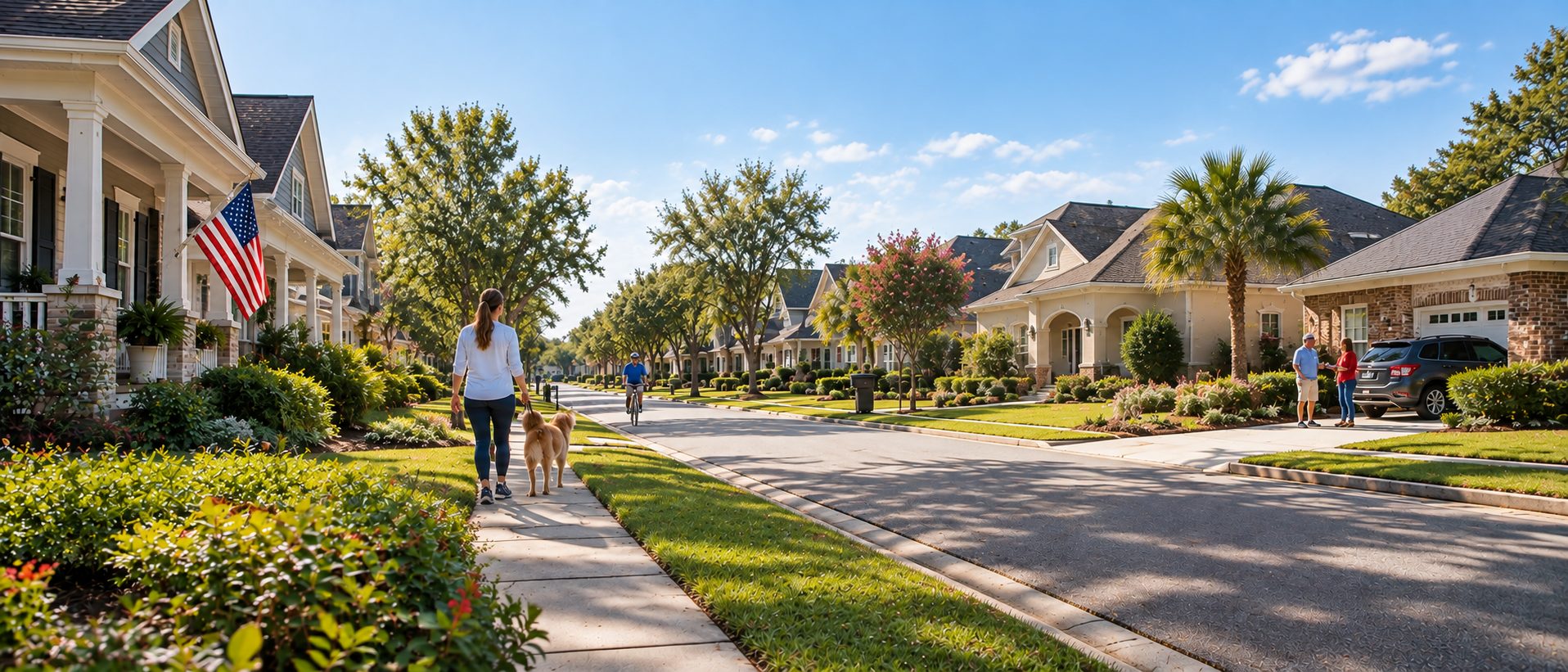
When people start looking for a house, it’s easy to focus on the obvious things first.
How many bedrooms do you need? Do you want a big backyard? Is a two-car garage important? What does the kitchen look like?
Those things matter. But after years of working in real estate along the Emerald Coast, I’ve found that one of the biggest factors in how happy someone is with their home has very little to do with what is inside the four walls.
It’s the community around it.
You can change paint colors. You can renovate a bathroom. You can replace flooring. What you can’t easily change is where the house sits, how long it takes you to get to work, what your weekends look like, or how connected you feel to the area around you.
That’s why I encourage buyers to think about the neighborhood and their lifestyle just as carefully as they think about the house itself.
I’ve written before about choosing the right neighborhood on the Emerald Coast. But once you’ve narrowed down the possibilities, there’s another question worth asking:
Does this neighborhood actually fit the way I live?
Start With How You Actually Live
Before you start comparing neighborhoods, think about what a normal week looks like for you.
Not your ideal Saturday once a month.
Your regular Tuesday.
Where do you work? Where do your kids need to be? How often do you go to the gym, church, restaurants, the beach, or activities? Do you like being close to everything, or would you rather have more space and a little more distance?
Two buyers with the exact same budget and similar housing needs can be much happier in completely different communities.
One person may love being close to restaurants, shopping, and the water. Someone else may happily drive farther for a larger lot, quieter streets, or more space between neighbors.
Neither choice is better.
The important part is understanding which one fits your real life.
Your Commute Is More Than a Number
This is especially important along the Emerald Coast because distance and drive time aren’t always the same thing.
Living 15 miles from work may sound reasonable until you consider bridges, tourist traffic, school traffic, military base access, and seasonal congestion.
For someone commuting to Eglin Air Force Base, Hurlburt Field, Duke Field, Destin, or another major employment area, I recommend looking at the actual route instead of simply checking the mileage.
A commute that looks perfectly reasonable on a map may feel very different when it becomes part of your everyday routine.
If you’re moving here from outside the area, my guide to relocating to Northwest Florida covers some of the other practical considerations worth understanding before you make the move.
Schools Can Matter Even if You Don’t Have Children
For families with school-aged children, school zones are often one of the first things considered. Buyers may want to research school assignments, programs, transportation options, extracurricular activities, and proximity.
It’s important to verify school information directly with the appropriate school district because attendance zones and assignments can change.
But schools aren’t only worth understanding if you currently have children at home.
Your future plans may change. You may eventually have children, have grandchildren living nearby, or sell the property to someone who considers school location important.
Understanding the schools connected to an area gives you another piece of information about the community you’re considering.
Think About What You Want to Do After Work
One of my favorite questions to ask buyers is simple:
What do you want your life to look like when you’re not at home?
That answer tells me a lot.
If being on the water every weekend matters to you, access to the bay, beach, boat ramps, or storage may be worth considering.
If you’re a runner or cyclist, sidewalks and trails may matter more.
If you have young children, nearby parks and recreation programs could become a major part of your routine.
If you love going out to dinner, meeting friends for coffee, or attending community events, being closer to those activities may be worth giving up a little square footage.
The house is where you live, but the surrounding area often determines how you spend your time.
That’s also why local connections matter when moving to Northwest Florida. Finding the right house is one part of relocation. Building a life around it is another.
Walkability Means Different Things to Different People
When people hear “walkable,” they often picture a neighborhood where they can walk to restaurants, coffee shops, and stores.
That’s one version of walkability, but it isn’t the only one.
For some buyers, walkability simply means having sidewalks where they can safely walk the dog in the evening. For others, it means their children can ride bikes around the neighborhood. Someone else may want to walk to dinner without getting in the car.
Ask yourself what walkability actually means to you.
The same goes for golf cart access, bike paths, proximity to parks, and neighborhood amenities.
Don’t assume an amenity is valuable simply because it’s listed in the property description.
Think about whether you’ll actually use it.
Pay Attention to Community Culture
Every community has its own personality.
Some neighborhoods are active and social, with community events, neighborhood gatherings, pools, clubhouses, and families spending time outside.
Others are much quieter and more private.
Some people love living somewhere that neighbors know each other. Other people want to pull into their driveway, close the garage, and enjoy their privacy.
Again, neither is right or wrong.
The question is whether the community fits you.
Consider the Rules and Costs That Come With the Neighborhood
Lifestyle fit also includes understanding the practical side of living somewhere.
If a neighborhood has a homeowners association, review the fees, rules, restrictions, and available amenities. Ask what those fees cover.
Depending on the property and location, buyers along the Emerald Coast may also want to understand insurance considerations, flood zones, rental restrictions, and whether short-term rentals are allowed nearby.
These details may not be as exciting as choosing a kitchen, but they can have a much bigger impact on your day-to-day experience and long-term costs.
For buyers considering a condominium, I go much deeper into this in Emerald Coast condos, HOA health, reserves, and insurance.
Think About the Next Five Years, Not Just Today
A home needs to work for your current life, but it’s worth thinking a few years ahead too.
Are you planning to grow your family? Will a child leave for college soon? Could your job location change? Are you hoping to work from home more often? Do you eventually want less maintenance? Would you like room for aging parents or frequent guests?
You can’t predict everything, and I don’t recommend trying.
But thinking about your likely next chapter can help you avoid choosing a community that only works for your life right now.
Sometimes the house with the extra bedroom is the better choice.
Other times, the smaller house in a location that better supports your everyday routine makes more sense.
That’s a personal decision, not something a listing can answer for you.
Choosing the Community Is Part of Choosing the House
When I work with buyers, I see my role as more than opening doors and pointing out property features.
A good local real estate professional should help you ask better questions, understand your options, and find reliable information so you can decide what works for you.
I can help you understand commute routes, nearby amenities, property considerations, and resources for researching an area.
But ultimately, you’re the person who needs to decide whether a community fits your priorities.
Because when you buy a house, you’re also choosing the place where a large part of your life is going to happen.
And that deserves just as much thought as the house itself.
If you have questions about a neighborhood or community along the Emerald Coast, feel free to reach out. Even if you’re simply trying to understand the differences between areas, I’m always happy to be a local resource and help you find the information you need to make an informed decision.
Because finding the right home starts with finding the right fit—and the right connections can make all the difference.
Let’s keep building smarter circles.
