

 Facebook
 X
X
 Pinterest
 Copy Link
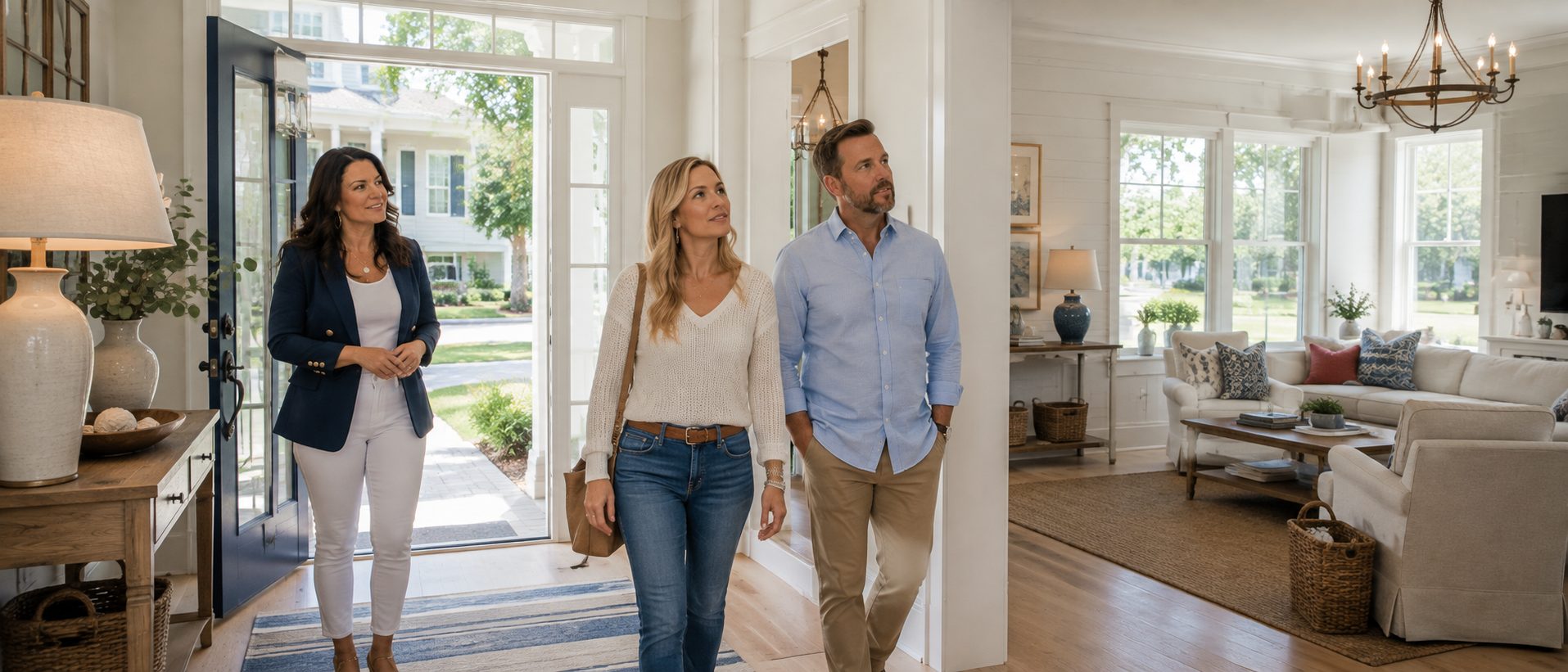
The first five minutes inside a home are surprisingly important.
Long before buyers start measuring bedrooms or asking about roof age, they’re already forming impressions.
Some of those impressions are emotional. Others are practical. The key is learning which ones deserve your attention.
One thing I’ve learned over the years is that experienced buyers don’t simply react to a home. They observe it. They ask questions. They look for clues that help them understand what living there might actually feel like.
First Impressions Are About More Than Appearance
Most people assume buyers are evaluating paint colors or furniture. In reality, they’re often noticing something much bigger.
They ask themselves:
- Does this home feel well cared for?
- Does it feel welcoming?
- Can I picture myself living here?
- Does anything immediately make me hesitate?
Those reactions matter—but they’re only the beginning.
The goal isn’t to make a decision in five minutes. It’s to recognize what caught your attention and understand why.
Buyers Read Signals Without Realizing It
Every home tells a story.
Sometimes it’s obvious.
Sometimes it’s subtle.
A bright, well-maintained entry often creates confidence before buyers see the rest of the home.
Deferred maintenance near the front door can raise quiet questions.
Natural light changes how a home feels.
A thoughtful floor plan can immediately make daily living easier to imagine.
None of these things automatically determine whether a home is right or wrong.
They’re simply signals.
Good buyers notice them.
Great buyers investigate them.
Emotion Isn’t the Enemy
I never tell buyers to ignore emotion. Buying a home should feel exciting. But emotion works best when it’s paired with curiosity.
Instead of saying:
“I love this house.”
Try asking:
“What specifically made me feel that way?”
Was it the layout?
The neighborhood?
The natural light?
The sense of privacy?
Understanding what you’re responding to helps you compare homes more objectively later.
If you’re weighing multiple properties, my post on comparing homes on the Emerald Coast offers another way to evaluate your options.
Hesitation Can Be Valuable Information
Sometimes buyers notice something they can’t quite explain.
Maybe the home feels darker than expected.
Maybe the traffic is louder.
Maybe the layout feels awkward.
Those reactions don’t necessarily mean the home isn’t right. They simply deserve attention before moving forward.
One of the best decisions a buyer can make is slowing down long enough to understand the reason behind that hesitation.
The First Five Minutes Don’t Tell the Whole Story
Some of the most successful purchases I’ve seen weren’t the homes that created the biggest first impression. They were the homes that continued making sense after buyers asked thoughtful questions.
That’s why I encourage people to balance first impressions with practical evaluation.
Insurance.
Maintenance.
Neighborhood.
Long-term lifestyle.
Future goals.
Those conversations often matter more than the initial excitement.
If you’re still deciding whether a home truly fits your life, you may also enjoy reading The Best House Isn’t Always the Right House.
Look Beyond What You See
Experienced buyers aren’t simply looking at a house.
They’re imagining everyday life.
Morning routines.
Weekend projects.
Hosting family.
Walking the neighborhood.
Living there through every season.
The strongest buying decisions happen when buyers can see both the home in front of them and the life they hope to build inside it.
The Bottom Line
Your first impression matters. It just shouldn’t be your only impression. Pay attention to what you notice during those first few minutes.
Then ask yourself why it stood out.
When emotion and observation work together, buyers make stronger decisions—and feel more confident long after closing day.
If you’re beginning your search, my Complete Guide to Buying Property on the Emerald Coast brings together the strategies I’ve shared throughout this publication to help you move forward with clarity.
Let’s keep building smarter circles.
