

 Facebook
 X
X
 Pinterest
 Copy Link
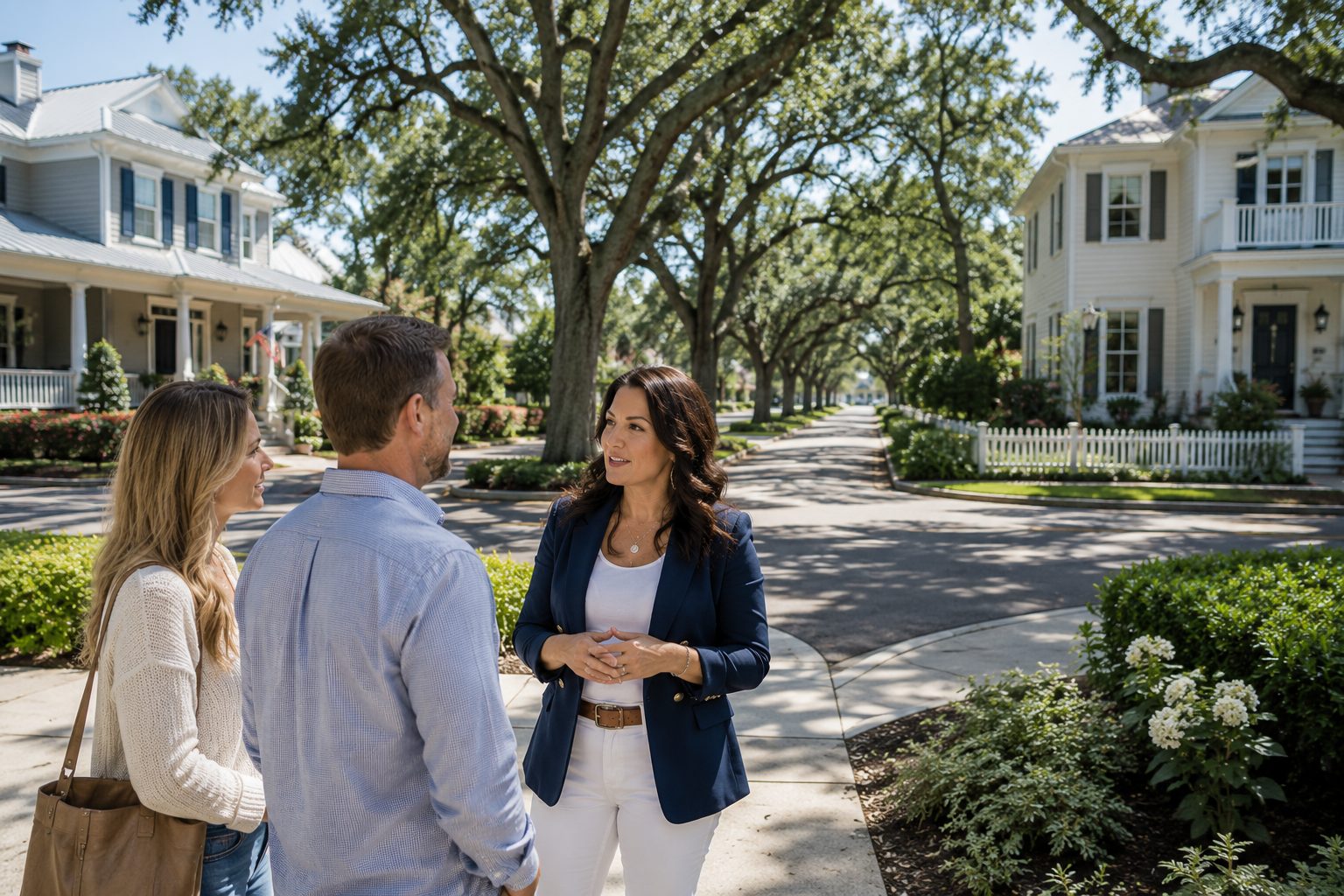
It’s easy to fall in love with a house.
A stunning kitchen.
An incredible backyard.
A view that takes your breath away.
Those moments are exciting—and they should be. Buying a home is one of the biggest decisions most people will ever make.
But over the years, I’ve learned something that’s just as important:
The house that impresses you the most isn’t always the one that will serve you the best.
That’s why I encourage buyers to step back from the emotion for a moment and ask a different question:
“Does this home fit the life I want to build?”
Looking Beyond the First Impression
First impressions matter.
They’re also temporary.
The features that grab your attention during a showing aren’t always the things you’ll appreciate five years from now.
Instead, I encourage buyers to think about what everyday life will actually look like.
- How does the home function for your routine?
- Will the layout still work if your needs change?
- Does the location support your lifestyle?
- Will maintenance feel manageable?
- Can you picture yourself enjoying life here after the excitement of closing day has passed?
Those answers often matter more than upgraded countertops or trendy finishes.
Lifestyle Is the Real Luxury
Everyone defines “dream home” differently.
For some people, it’s a quiet neighborhood where they can enjoy evenings on the porch.
For others, it’s being close to restaurants, parks, or the water.
Some buyers prioritize a short commute.
Others want flexibility to work from home or room for visiting family.
The best house is usually the one that supports the way you actually want to live—not the one that simply photographs the best.
If you’re still deciding what kind of community fits your lifestyle, you may enjoy my post on choosing the right neighborhood on the Emerald Coast.
Think About Tomorrow, Not Just Today
One question I often ask buyers is:
“Will this home still fit your life five years from now?”
Maybe your family will grow.
Maybe you’ll work remotely.
Maybe you’ll travel more.
Maybe you’ll simply want less maintenance.
Thinking ahead doesn’t mean predicting the future perfectly.
It means giving yourself room to grow.
Emotion and Strategy Can Work Together
Buying a home should absolutely feel exciting.
But excitement doesn’t have to replace good decision-making.
The strongest purchases usually happen when emotion and strategy work together.
You love the home.
And the numbers make sense.
The neighborhood fits.
The insurance works.
The long-term picture feels right.
That’s a much stronger foundation than buying simply because you’re afraid someone else might.
Don’t Compare Homes One Feature at a Time
One mistake buyers sometimes make is comparing homes room by room.
Instead, compare them life by life.
Ask yourself:
- Which home makes daily routines easier?
- Which location supports the people and activities that matter most?
- Which property gives you flexibility over time?
- Which home still feels like the right choice after the excitement wears off?
Those questions often lead to better decisions than simply counting bedrooms or comparing square footage.
If you’re weighing several options, my post on comparing homes on the Emerald Coast offers another way to evaluate them.
The Right Home Creates Confidence
When buyers find the right fit, something changes.
The conversation becomes less about chasing the perfect listing and more about recognizing the home that supports their goals.
That’s the moment I enjoy most.
Because buying a home isn’t about winning a competition.
It’s about creating a place where your life works well for years to come.
If you’re beginning your search, my Complete Guide to Buying Property on the Emerald Coast walks through the entire process—from your first questions to closing day.
The Bottom Line
The most memorable house isn’t always the best choice.
The right house is the one that supports your lifestyle, your future, and the life you want to build.
When you balance emotion with strategy, you don’t just buy a beautiful home.
You make a decision you’ll feel good about long after moving day.
Let’s keep building smarter circles.
